
Car Loan Refinance: Rates, Savings, and When Refinancing Makes Sense
Embark on a journey through the world of Car Loan Refinance: Rates, Savings, and When Refinancing Makes Sense, where we delve into the intricacies of optimizing your car loan for financial benefits.
Explore the essential aspects of car loan refinancing and gain insights into how it can potentially save you money and improve your financial standing.
Car loan refinancing is the process of replacing an existing car loan with a new loan, usually from a different lender. This new loan pays off the remaining balance of the original loan, and the borrower then makes payments to the new lender under new terms.When you refinance a car loan, you are essentially taking out a new loan to replace the old one.
This can result in lower monthly payments, a lower interest rate, or a shorter loan term. The goal is to save money on your car loan in the long run.
When deciding whether to refinance a car loan, individuals should carefully consider various key factors that can impact the overall outcome of the refinancing process. One of the most important factors to evaluate is the current credit score of the individual seeking to refinance their car loan.
Your credit score plays a crucial role in determining your ability to refinance a car loan. Lenders typically offer better interest rates to borrowers with higher credit scores, as they are considered less risky. Before considering refinancing, it’s essential to check your credit score and ensure it’s in good standing.
A higher credit score can result in lower interest rates and ultimately lead to more significant savings through refinancing.
Another critical factor to consider is the current interest rates in the market. If interest rates have dropped since you initially took out your car loan, refinancing could potentially offer you a lower rate, resulting in reduced monthly payments and long-term savings.
It’s advisable to monitor interest rate trends and compare them with your existing loan terms to determine if refinancing makes financial sense.
When considering car loan refinance rates, it’s important to understand how lenders determine the rates offered to borrowers. These rates are influenced by various factors, including the borrower’s credit score, the current market interest rates, and the type of loan being refinanced.
When refinancing a car loan, borrowers have the option to choose between fixed-rate and variable-rate loans. Fixed-rate loans have a set interest rate that remains constant throughout the loan term, providing predictability in monthly payments. On the other hand, variable-rate loans have interest rates that can fluctuate based on market conditions, potentially resulting in lower initial rates but higher risk of rate increases over time.
The length of the loan term can also impact refinance rates. Typically, shorter loan terms come with lower interest rates compared to longer loan terms. This is because lenders consider shorter terms less risky and offer more favorable rates to borrowers.
However, it’s essential to weigh the benefits of lower rates against potentially higher monthly payments associated with shorter terms.
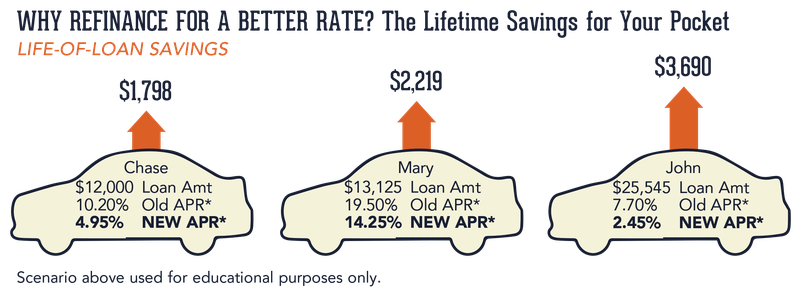
When considering car loan refinancing, one of the key factors to evaluate is the potential savings you could achieve. By understanding how to calculate these savings, you can determine if refinancing is a beneficial option for you.
Let’s say you have a car loan with a remaining balance of $15,000 and an interest rate of 6%. By refinancing to a new loan with a lower interest rate of 4%, you could potentially save $1,200 in interest over the remaining term of the loan.
:max_bytes(150000):strip_icc()/pros-and-cons-of-refinancing-a-car-loan-1a117a027ee14bd583fd1abdef935b9d.gif "Pros and Cons of Refinancing a Car Loan")
Refinancing a car loan can be a smart financial move in certain situations, helping you save money and improve your financial situation. However, it’s essential to consider various factors before deciding to refinance your car loan.
Refinancing a car loan can have a significant impact on the remaining loan term. Extending the loan term through refinancing can lower monthly payments but may result in paying more interest over the life of the loan. On the other hand, shortening the loan term can help you pay off the loan faster but may increase monthly payments.
What is Car Loan Refinancing?
Car loan refinancing involves replacing your current car loan with a new loan, usually with better terms such as lower interest rates or monthly payments.
How do credit scores impact car loan refinancing?
Credit scores play a significant role in determining the interest rates you qualify for when refinancing a car loan. A higher credit score often leads to better refinancing terms.
When does refinancing a car loan make sense?
Refinancing a car loan makes sense when you can secure a lower interest rate, reduce your monthly payments, or shorten the loan term to save on interest payments in the long run.