Commercial Vehicle Insurance: Costs, Coverage, and Options for Business Owners
As Commercial Vehicle Insurance: Costs, Coverage, and Options for Business Owners takes center stage, this opening passage beckons readers with a comprehensive overview of the topic, ensuring a reading experience that is both informative and engaging.
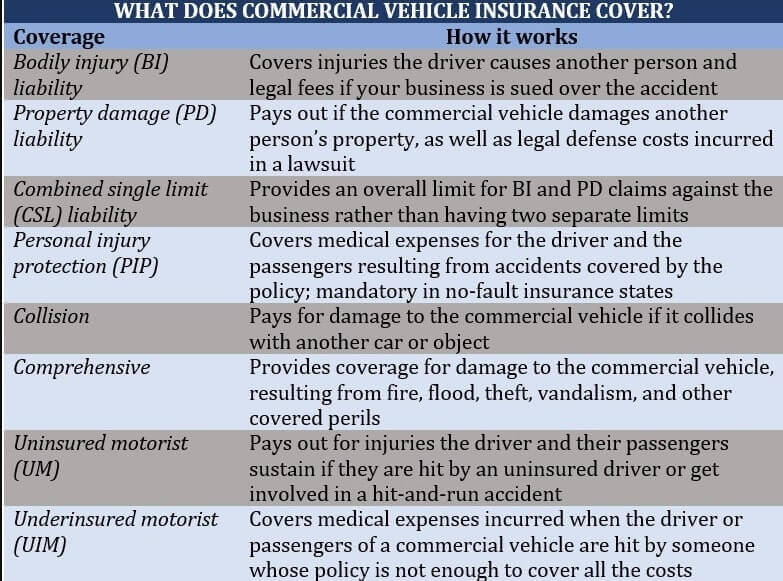
Commercial vehicle insurance is a crucial coverage that businesses need to protect their vehicles and drivers. This type of insurance provides financial protection in case of accidents, theft, or damage to company vehicles. It also covers liability expenses in the event of injuries or property damage caused by a company vehicle.
Commercial vehicle insurance is essential for businesses as it helps mitigate the financial risks associated with operating a fleet of vehicles. Without proper insurance, companies could face significant expenses in case of accidents, lawsuits, or vehicle damage.

When it comes to commercial vehicle insurance, costs can vary based on a variety of factors that influence premiums. Understanding these factors and knowing how to manage them can help businesses save money while still ensuring adequate coverage for their vehicles.
Several key factors can impact the cost of commercial vehicle insurance, including:
Insuring a single commercial vehicle will generally cost less than insuring a fleet of vehicles. This is because insurance companies often offer discounts for covering multiple vehicles under the same policy. However, the overall cost will also depend on the specific details of each vehicle and driver included in the fleet.
Businesses looking to reduce their commercial vehicle insurance premiums can consider the following tips:
It’s important for businesses to strike a balance between coverage and costs when purchasing commercial vehicle insurance. While it may be tempting to opt for the minimum coverage to save money, inadequate coverage could lead to financial risks in the event of an accident.
Businesses should assess their specific needs and risks to determine the appropriate level of coverage that fits within their budget.
When it comes to commercial vehicle insurance, there are various coverage options available to business owners to protect their vehicles and assets. Understanding the different types of coverage can help you make informed decisions to safeguard your business.
Basic coverage typically includes liability coverage, while additional coverage options can be added to provide more comprehensive protection for your commercial vehicles. It’s important to assess your business needs and risks to determine the appropriate level of coverage.
Customizing your coverage allows you to tailor your insurance policy to suit the specific needs of your business. By identifying potential risks and choosing the right coverage options, you can protect your assets and ensure financial security in case of unforeseen events.
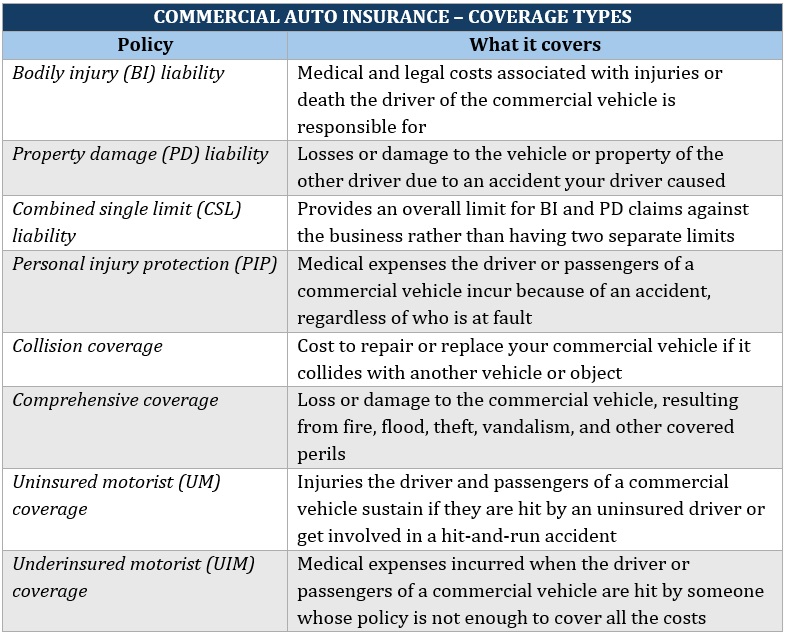
When it comes to selecting the most suitable commercial vehicle insurance policy for your business, there are several important steps to consider. It’s crucial to carefully evaluate your needs and compare different options to ensure you get the coverage that best fits your requirements.
Regularly reviewing and updating your commercial vehicle insurance policy is essential to ensure you’re adequately protected. As your business grows and your vehicle fleet changes, your insurance needs may evolve as well. By regularly reviewing your policy, you can make necessary adjustments to coverage levels and ensure you’re always adequately protected against potential risks.
What factors influence the cost of commercial vehicle insurance?
Factors such as driving record, type of vehicle, coverage limits, and location can all impact the cost of commercial vehicle insurance.
What are some tips for reducing commercial vehicle insurance premiums?
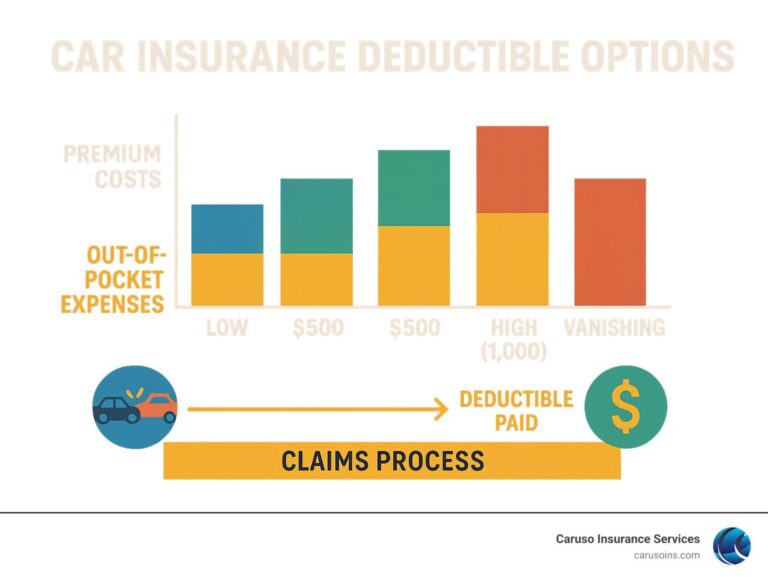
Business owners can reduce premiums by maintaining a good driving record, bundling policies, installing safety devices, and choosing higher deductibles.
How can businesses customize coverage to suit their needs?
Businesses can tailor coverage by selecting specific options like roadside assistance, rental reimbursement, or hired auto coverage based on their operations.